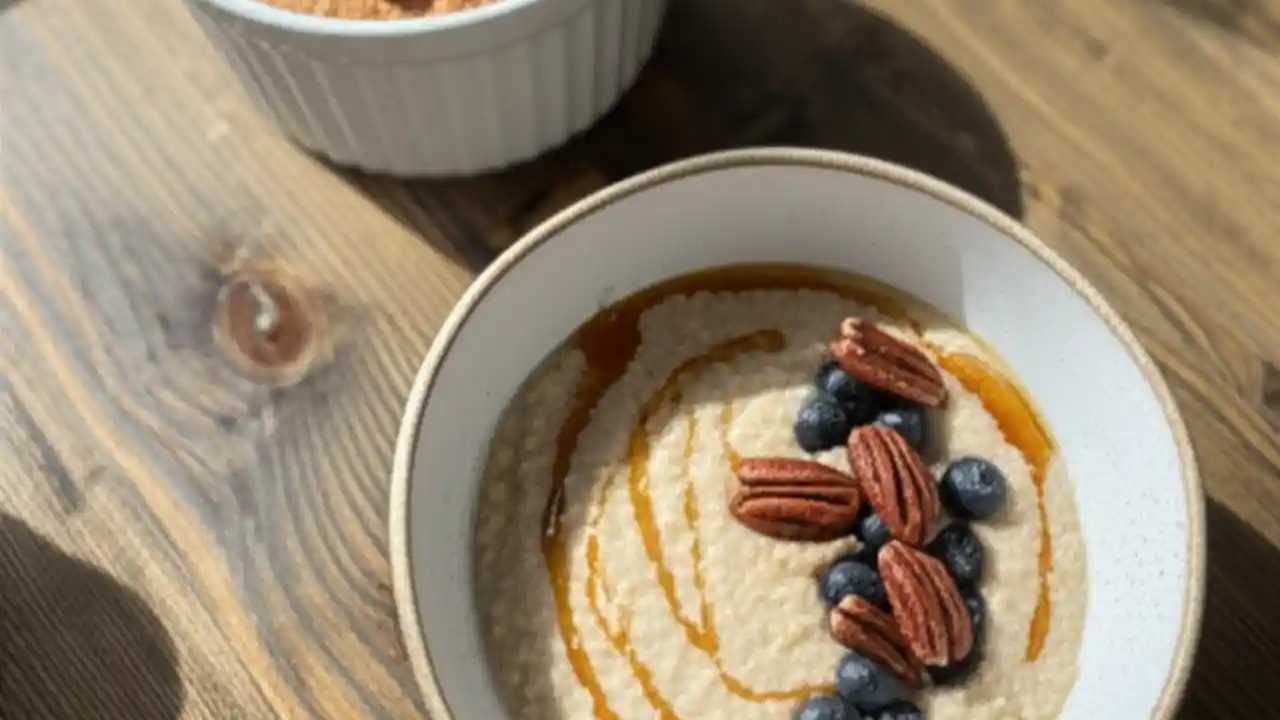
Baked Oats vs. Baked Oatmeal: Key Texture & Prep Differences
Oats have long been a breakfast staple, celebrated for their versatility, nutritional benefits, and comforting warmth. From creamy stovetop oatmeal to overnight oats, there’s no shortage of ways to enjoy this whole grain. However, in recent years, a new contender has captured the hearts (and blenders) of breakfast enthusiasts: baked oats. Often confused with its more traditional cousin, baked oatmeal, these two dishes offer distinct experiences despite sharing a foundational ingredient.
While both deliver a warm, satisfying breakfast, understanding the core differences in their preparation and resulting texture is key to choosing your next morning meal. Are you craving a fluffy, cake-like treat, or a hearty, chewy casserole? Let’s dive deep into the world of baked oats and baked oatmeal to uncover what sets them apart and help you decide which one will grace your breakfast table.
The Core Distinction: Preparation Method & Texture Transformation
At the heart of the debate between baked oats and baked oatmeal lies a single, crucial step: how the oats themselves are treated before baking. This seemingly minor detail dictates the entire textural profile of the finished dish.
Baked Oats: The Blender's Magic for a Muffin-Like Dream
The rise of baked oats to viral fame, largely thanks to platforms like TikTok, introduced a revolutionary approach to preparing oats. Instead of leaving the oats whole, the magic of baked oats begins in a blender. Here, the raw oats, along with other ingredients like milk, sweetener, egg (or a vegan alternative), and flavorings, are pulverized into a fine, flour-like batter. This blending step is what transforms the humble oat into something entirely new.
- Preparation: All ingredients, including the oats, are blended until smooth. This creates a homogeneous, pourable batter.
- Texture: The result is strikingly similar to a muffin or a small cake. The finely ground oats create a delicate crumb, leading to a light, fluffy, and often moist interior. It feels less like a traditional oat dish and more like a wholesome dessert.
- Appearance: Typically baked in individual ramekins, these often emerge with a beautiful, rounded top, inviting you to dig in.
The goal with baked oats is often to create a healthier, single-serving "muffin" or "cake" without the high sugar and fat content typically found in bakery items. Many recipes aim to mimic dessert flavors like brownie batter, carrot cake, or even lemon poppy seed, making breakfast feel like an indulgence.
Baked Oatmeal: The Hearty, Chewy Casserole
Baked oatmeal, on the other hand, embraces the oat in its natural form. This method has been a long-standing tradition for those seeking a comforting, warm breakfast that can feed a crowd or be prepped for the week.
- Preparation: All ingredients, including whole, rolled oats (or sometimes steel-cut oats for an even chewier bite), are simply stirred together in a mixing bowl. There’s no blending involved, preserving the structural integrity of each oat flake.
- Texture: The whole oats remain distinct, absorbing the liquid and softening during baking but retaining their characteristic chewiness. The overall texture is hearty, robust, and often described as a breakfast casserole. It's dense, satisfying, and holds its shape well, making it perfect for slicing.
- Appearance: Baked oatmeal is usually prepared in a larger baking dish, resulting in a cohesive slab that can be cut into individual portions.
Baked oatmeal is the go-to for those who appreciate the classic texture of oats and desire a substantial, comforting start to their day. It’s excellent for meal prepping and easily customized with various fruits, nuts, and spices.
The Texture Triumvirate: Why Preparation Matters So Much
The textural difference is undoubtedly the most compelling reason to choose one over the other. It's not just a subtle variation; it's a fundamental shift in the eating experience.
The Fluffy & Delicate World of Baked Oats
When oats are pulverized, their starches are released, and the fine flour-like consistency contributes to a batter that behaves much like cake batter. This is why baked oats so often yield a light and airy texture. Imagine the crumb of a blueberry muffin or a small tea cake – that’s the realm baked oats ventures into. The absence of whole oat flakes means no chewiness, just a smooth, uniform mouthfeel. This can be particularly appealing for those who aren't fond of the "gummy" texture sometimes associated with traditional oatmeal or prefer a breakfast that feels more like a treat.
Expert tip: Achieving the ideal fluffy texture in baked oats often involves careful attention to liquid ratios and not overworking the batter. As some recipes suggest, modifying the amount of egg or banana, and ensuring enough liquid, can prevent a spongy or dense outcome. Gentle folding of mix-ins also helps maintain lightness.
The Chewy & Substantial Realm of Baked Oatmeal
Conversely, baked oatmeal celebrates the natural integrity of the oat. As the whole oats bake, they soften and absorb moisture, but they don't disintegrate. Each oat flake contributes to a satisfying chew. This results in a much denser, more substantial dish. Think of a hearty granola bar, but warm and moist, or a comforting bread pudding. The individual oats provide a delightful textural contrast that adds to its rustic charm. This chewiness also contributes to a feeling of fullness and sustained energy, making it an excellent choice for active individuals or those needing a truly robust breakfast.
Beyond Texture: Ingredients, Customization & Practicalities
While the texture is a primary differentiator, subtle nuances in ingredients, customization, and practical considerations also play a role in choosing between baked oats and baked oatmeal.
Ingredients and Flavor Profiles
Both dishes typically rely on similar core ingredients: oats, milk (dairy or non-dairy), a sweetener (maple syrup, honey, sugar), an egg or flax egg for binding, a leavening agent (baking powder), and flavorings/mix-ins. However, their application differs:
- Baked Oats: Because everything is blended, baked oats are excellent for incorporating smooth ingredients like nut butters, pureed fruits (banana, pumpkin), cocoa powder, or even protein powder directly into the batter. This creates a uniform flavor throughout. Mix-ins like chocolate chips, berries, or nuts are often folded in gently at the end or sprinkled on top for a textural contrast. For inspiration, explore Delicious Baked Oats Recipes: Easy & Healthy Meal Prep Ideas.
- Baked Oatmeal: With whole oats, baked oatmeal shines when showcasing chunkier mix-ins. Whole berries burst with flavor, large pieces of nuts add crunch, and diced apples or pears soften beautifully within the oat matrix. The flavors tend to be more distinct and layered due to the separate elements.
Batch Size and Meal Prep
Baked oats, often made in individual ramekins, are perfect for single servings. While you can blend a larger batch of batter and divide it, the individual baking makes them ideal for a quick, personalized breakfast without much fuss. They store well in the fridge for up to 4 days and can even be frozen for up to 3 months, making them convenient for grab-and-go breakfasts. To make multiple flavors from one batch, simply divide the base batter and fold different flavorings into each ramekin.
Baked oatmeal, usually baked in a larger dish, is a fantastic option for families or for weekly meal prep. You can bake a whole tray, slice it into portions, and reheat it throughout the week. This makes it incredibly efficient for busy mornings.
Crafting Your Perfect Baked Breakfast: Tips and Tricks
No matter which baked oat creation you choose, a few universal tips can elevate your experience:
- Don't Overblend Baked Oats: For baked oats, blend just until the oats are finely chopped and ingredients are combined. Overworking the batter can develop gluten, leading to a denser, less fluffy texture.
- Test for Doneness: For both, inserting a toothpick into the center should come out mostly clean. For baked oats specifically, underbaking can result in a wet, spongy texture and significant deflation. The top center is the last area to finish cooking, so it’s your best indicator.
- Gentle Mix-Ins: When adding fruits, nuts, or chocolate chips to either dish, fold them in gently. This is especially true for baked oats to maintain the airy quality of the batter. Reserving some toppings to sprinkle on top before baking also adds visual appeal.
- Embrace Customization: Both types of baked oats are blank canvases for flavor. From classic berry and cinnamon to decadent chocolate peanut butter, the possibilities are endless. Don't be afraid to experiment with different spices, extracts, and mix-ins to discover your personal favorite.
- Vegan-Friendly Options: Both baked oats and baked oatmeal can easily be made vegan by substituting dairy milk with plant-based alternatives and using a "flax egg" (1 tbsp ground flaxseed + 3 tbsp water, let sit for 5 minutes) in place of a chicken egg.
Which One Is Right for You? Making the Choice
Ultimately, the choice between baked oats and baked oatmeal comes down to personal preference and what you're craving. Both are delicious, nutritious ways to enjoy oats, but they cater to different palates and needs:
- Choose Baked Oats if:
- You prefer a breakfast that feels like a warm, tender muffin or a small cake.
- You enjoy smooth textures and don't want the chewiness of whole oats.
- You're looking for a single-serving, easy-to-customize treat.
- You're intrigued by the viral TikTok trend and want a healthy dessert-for-breakfast option.
- Choose Baked Oatmeal if:
- You love the classic, hearty, chewy texture of whole oats.
- You need a substantial breakfast that keeps you full for hours.
- You're feeding a family or want to meal prep a batch for the week.
- You appreciate a rustic, casserole-like breakfast that's comforting and robust.
Conclusion
Whether you blend your oats into a smooth batter for a delicate, cake-like experience or stir them whole for a chewy, hearty casserole, both baked oats and baked oatmeal offer incredibly delicious and satisfying breakfast options. They showcase the remarkable versatility of this humble grain, transforming simple ingredients into warm, comforting meals. Experiment with both, play with flavors, and discover which style truly speaks to your morning cravings. No matter your choice, you're in for a delightful and nutritious start to your day.
